
From purchase to policy, or public health to provider switching, most communications campaigns are rooted in a desire to change human behaviour. By harnessing the most relevant and up-to-date thinking in behavioural science, we ensure meaningful behaviour change, while also carefully managing the risk of adverse effects or unexpected consequences.
To deliver behaviour change campaigns that are truly effective we have a long-standing partnership with leading behavioural science agency, Influence at Work (IAW). This ensures our approaches are continuously updated in line with the most recent academic thinking and global best practice. Our strategy team and client leads work closely with the IAW team to embed this thinking in a way which is deliverable, creatively interesting and culturally relevant.
Beyond campaigns, we utilise behavioural thinking in our day-to-day advice to our clients. This includes messenger strategies, messaging and message testing, experiment design and measurement.
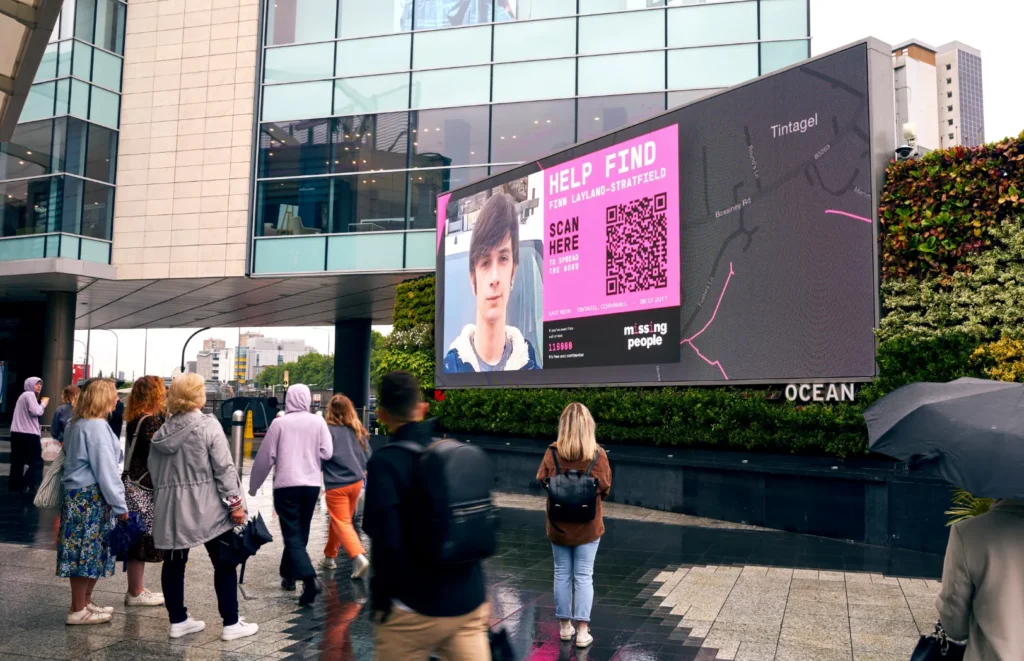
Every year more than 70,000 young people are reported missing. We helped the charity Missing People increase public engagement with their searches.

How MHP's Studio team created the 'Unsure Icon' to start a conversation for The World Bladder Cancer Patient Coalition.

Purchases of fake vehicle parts – whether made knowingly or unknowingly by UK consumers – put lives at risk.